
Groover: The Ultimate Guide
Posted by Onassis Krown on
The Ultimate Guide on Groover — How to Get the Most Out of the Platform
In today’s hyper-competitive music ecosystem, talent alone is not enough. Distribution is democratized, attention is scarce, and algorithms reward consistency, clarity, and momentum. Artists who succeed understand one crucial truth: great music needs great positioning available to artists like A.L.I.A.S. who have found great success.
That’s where Groover enters the picture.
Groover has become one of the most respected and artist-friendly music promotion platforms in the world, helping independent musicians connect directly with playlist curators, music bloggers, radio programmers, journalists, labels, sync scouts, and industry professionals—all with a guarantee that your music will actually be listened to.
This guide is designed to be the most complete, strategic, and practical resource on Groover available online. Whether you’re brand new to the platform or already using it and want to dramatically improve your results, this article will walk you through not just how Groover works—but how to win with it.
What Is Groover (and Why It Matters)?
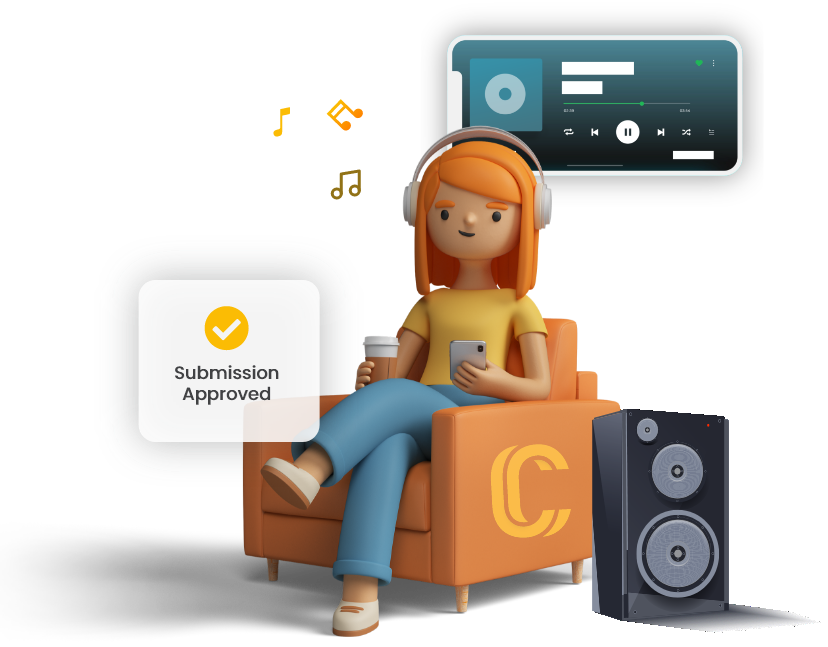
At its core, Groover is a music pitching and feedback platform that bridges the gap between independent artists and industry gatekeepers.
Instead of cold-emailing playlist curators or shouting into the void on social media, Groover gives you:
-
Direct access to verified curators and professionals
-
Guaranteed listens (no ignored pitches)
-
Written feedback, whether they approve or decline
-
Transparent targeting by genre, role, and influence
This model solves one of the biggest frustrations artists face: not knowing whether anyone actually listened.
On Groover, every pitch is heard—usually within 7 days.
That alone changes the game.
Who Groover Is Best For
Groover works best for artists who understand that promotion is a skill, not a lottery ticket.
It’s especially powerful for:
-
Independent artists releasing singles or EPs
-
Producers looking for playlist and blog placements
-
Artists building press kits and social proof
-
Musicians preparing for a larger campaign or album rollout
-
Artists who value real feedback, not just vanity metrics
Groover is not ideal for artists who:
-
Upload unfinished or poorly mixed songs
-
Expect instant virality
-
Are unwilling to refine their sound or strategy
Groover rewards intentional artists.
How Groover Actually Works (Step-by-Step)
1. Create a Strong Artist Profile
Your Groover profile is not just a formality—it’s your first impression.
You’ll want:
-
A concise, compelling artist bio
-
Clear genre tags (be specific, not vague)
-
Professional cover art
-
Links to your socials and streaming platforms
Think of your profile as a digital handshake. Curators often glance at it before even pressing play.
2. Choose the Right Track (This Is Critical)
One of the biggest mistakes artists make on Groover is pitching the wrong song.
Your Groover track should:
-
Be fully mixed and mastered
-
Represent your sound accurately
-
Have a strong intro (first 10–15 seconds matter)
-
Fit cleanly into a recognizable genre lane
Groover is not the place to “test ideas.” It’s where you pitch your strongest, most focused work.
3. Target Curators Strategically (Not Emotionally)
Groover allows you to filter curators by:
-
Genre
-
Country
-
Role (playlist, blog, radio, label, sync, etc.)
-
Popularity and reach
The goal is not to pitch everyone. The goal is to pitch the right people.
Smart artists:
-
Read curator descriptions carefully
-
Check recent playlists or articles
-
Look for genre alignment, not wishful thinking
Quality targeting beats quantity every time.


Writing a Pitch That Gets Read (and Respected)
Your pitch message is where most artists either win or lose.
What a Strong Groover Pitch Includes
-
A short intro (who you are, where you’re from)
-
Context (what inspired the song or why it matters)
-
Relevance (why this song fits their platform)
-
Professional tone (friendly, not desperate or salesy)
What to Avoid at All Costs
-
Copy-paste messages
-
Overhyping (“This will go viral!”)
-
Long life stories
-
Pressure tactics or entitlement
Curators are human beings, not vending machines.
Respect earns listens. Clarity earns placements.
Understanding Groover Credits (and Budgeting Wisely)
Groover runs on a credit system. Each pitch costs a small number of credits, and you can buy them in bundles.
Here’s how smart artists budget:
-
Start small to test responses
-
Track acceptance vs rejection patterns
-
Reinvest only in songs that perform well
-
Avoid pitching the same song endlessly
Groover is most effective when used as a scalpel, not a shotgun.
The Real Value of Feedback (Even Rejections)
One of Groover’s most underrated features is mandatory feedback.
Even when a curator declines your song, you’ll often receive insights like:
-
“Intro too long for playlists”
-
“Great song, but not a fit for our audience”
-
“Production strong, vocals need more presence”
Patterns in feedback reveal what’s actually holding your music back.
Artists who improve fastest are the ones who:
-
Don’t argue with feedback
-
Look for repeated themes
-
Apply lessons to future releases
Groover becomes a development tool, not just a promo platform.
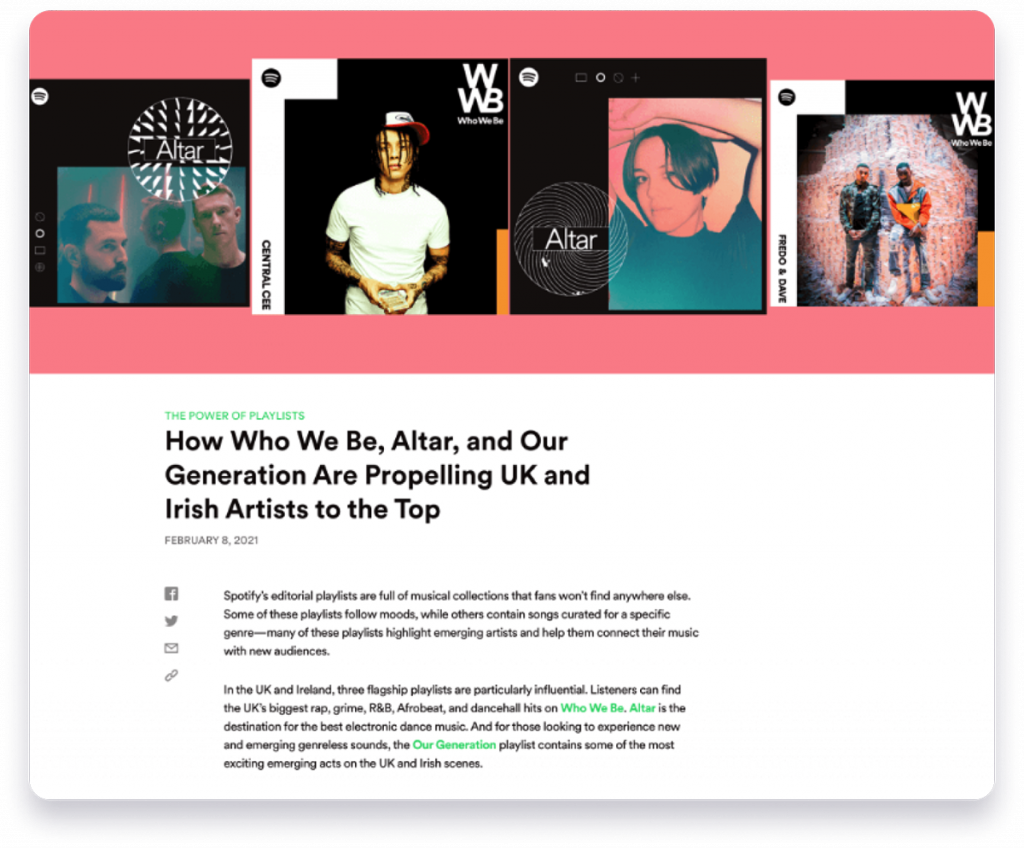
Playlist Placement: What Groover Can (and Can’t) Do
Let’s set realistic expectations.
What Groover Can Do
-
Get your music heard by real playlist curators
-
Land placements on independent and mid-sized playlists
-
Create social proof for future pitching
-
Drive early momentum on releases
What Groover Cannot Do
-
Guarantee massive editorial playlists
-
Replace a full marketing strategy
-
Make a weak song perform
-
Force long-term playlist retention
Groover is a multiplier, not a miracle.
Blogs, Radio, and Press: The Hidden Gold
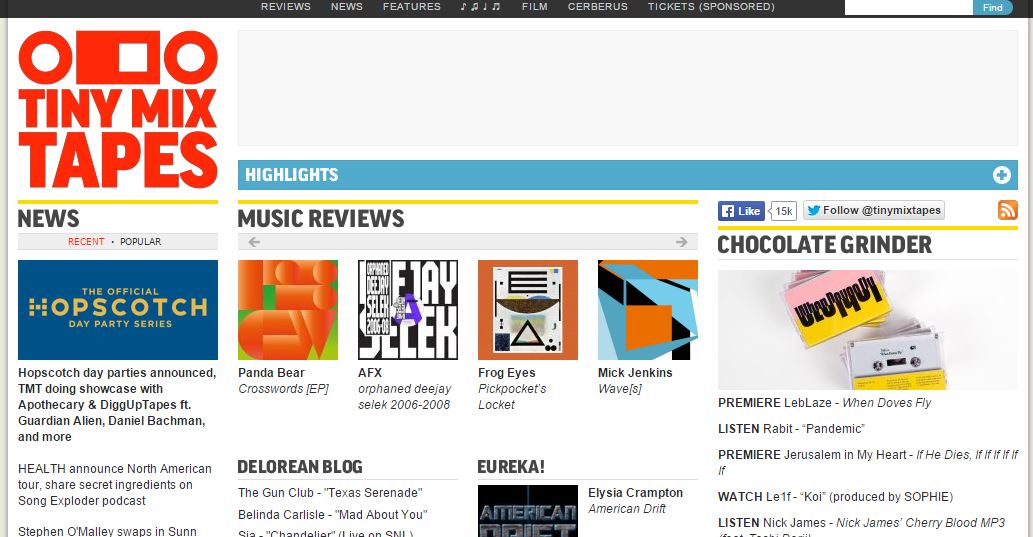
Many artists focus only on playlists—but Groover shines in press and radio outreach.
Blog features and radio spins help with:
-
SEO and Google visibility
-
Credibility and brand authority
-
Press quotes for EPKs
-
Algorithmic trust signals
A well-rounded Groover campaign includes:
-
Playlists
-
Blogs
-
Radio
-
Industry tastemakers
This creates ecosystem momentum, not just streams.

Timing Your Groover Campaign for Maximum Impact
Timing matters more than most artists realize.
Best Times to Use Groover
-
2–4 weeks after a single release
-
During the momentum phase of a campaign
-
When you can support it with social or ads
When to Avoid Groover
-
Before your song is live everywhere
-
During a long hiatus with no activity
-
If your branding and visuals are unfinished
Groover works best when it’s part of a bigger plan, not the entire plan.
Groover vs Other Promotion Platforms (Brief Comparison)
Groover stands out because of:
-
Guaranteed listens
-
Mandatory feedback
-
Transparent curator profiles
-
Strong European and global reach
While other platforms exist, Groover’s trust model makes it particularly appealing for artists who value authenticity over automation.
Common Mistakes Artists Make on Groover
-
Pitching too many genres
-
Ignoring curator descriptions
-
Sending weak or unfinished tracks
-
Taking rejections personally
-
Expecting instant results
Avoiding these mistakes alone can double your success rate.
Advanced Groover Strategies (Pro-Level Tips)
1. Rotate Songs, Don’t Spam One Track
If a song isn’t landing after 20–30 pitches, pause and reassess.
2. Use Feedback to Refine Ads
If curators say “great hook,” highlight that in your ad copy.
3. Stack Social Proof
Once you land placements, reference them subtly in future pitches.
4. Think International
Groover excels outside the U.S. Don’t sleep on Europe, Canada, or Latin markets.
Is Groover Worth It?
For artists who:
-
Take their craft seriously
-
Release consistently
-
Value feedback and growth
Yes—absolutely.
Groover is not about shortcuts. It’s about building momentum through intentional exposure.
When used correctly, it becomes:
-
A discovery engine
-
A feedback loop
-
A networking bridge
-
A credibility builder
Final Thoughts: Groover as a Long-Term Tool
The artists who get the most from Groover don’t treat it as a one-off expense.
They treat it as:
-
Part of their release workflow
-
A listening lab for audience reaction
-
A bridge to real industry relationships
Groover doesn’t replace talent, consistency, or branding—but it amplifies all three when they’re already in place.
If you approach Groover with clarity, professionalism, and patience, it can become one of the most valuable platforms in your independent artist toolkit.
Not because it promises fame—but because it earns attention the right way.
And in today’s music industry, attention earned is attention that lasts.
Listen: Spotify, Apple Music, Soundcloud, Amazon Music, Pandora & YouTube.
Lateef Warnick is the founder of Onassis Krown. He currently serves as a Senior Healthcare Consultant in the Jacksonville FL area and is a Certified Life Coach, Marriage Counselor, Keynote Speaker and Author of "Know Thyself," "The Golden Egg" and "Wear Your Krown." He is also a former Naval Officer, Licensed Financial Advisor, Insurance Agent, Realtor, Serial Entrepreneur and musical artist A.L.I.A.S.
- Tags: A.L.I.A.S., Groover, music
← Older Post Newer Post →
0 comments